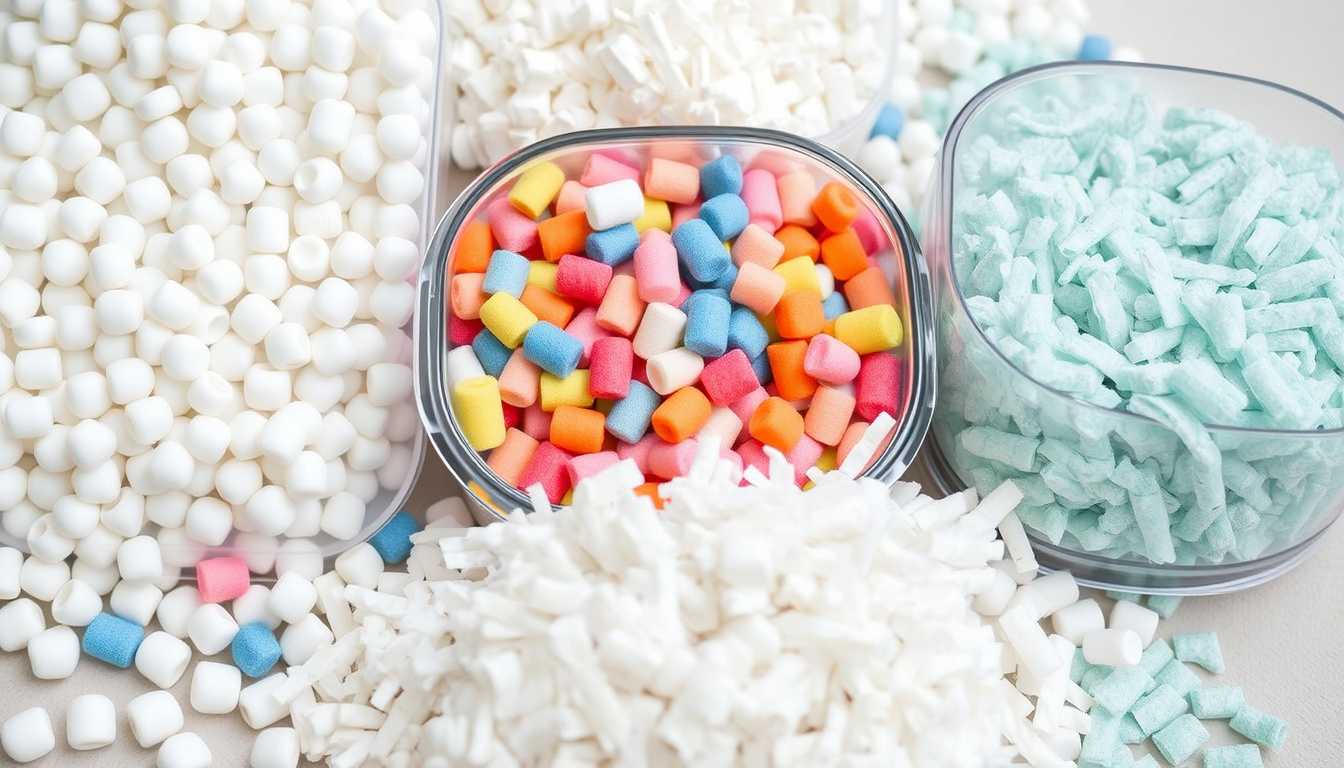

Bean bag filling determines how comfortable, durable, and safe your furniture will be over time. Whether purchasing a new bean bag or refreshing an existing one, understanding the differences between materials, quantities, and quality grades helps consumers make informed decisions. This guide covers the most common filling types, where to source them, safety considerations, and practical tips for replacement and maintenance.
The market offers several distinct categories of filling materials, each with unique characteristics that affect comfort, longevity, and environmental impact. From traditional expanded polystyrene beads to newer alternatives like shredded memory foam and natural fillings, the right choice depends on intended use, budget, and personal preferences.
Experts recommend evaluating factors such as compression resistance, density measurements, and flammability ratings before purchasing any filling material. These specifications directly influence how the bean bag will perform under regular use and over extended periods.
What Is the Best Filling for Bean Bags?
The most widely used filling material remains expanded polystyrene (EPS) beads, which consist of approximately 98% air by volume. Manufacturers favor these beads because they offer an economical balance between comfort and support while remaining lightweight enough for easy handling. Bean Bags R Us notes that EPS beads conform to body shapes effectively, creating a customized seating experience that many users prefer.
Overview of Main Filling Types
Most common option, lightweight, affordable, moisture-resistant
Softer feel, slower compression rate, better shape retention
Durable construction, excellent moldability, consistent performance
Eco-friendly options like buckwheat hulls and kapok fiber
Expanded polypropylene (EPP) beads represent a more resilient alternative to standard EPS. HomeEdit explains that EPP demonstrates superior compression recovery and impact resistance, maintaining its original structure longer under pressure. This material has gained popularity in Asian markets and is increasingly available in North American and European regions.
Key Specifications and Performance Data
- Bead diameter typically ranges from 3mm to 6mm for optimal comfort and durability
- EPS density measures approximately 5–7 grams per liter, balancing lightness with adequate support
- Virgin polystyrene beads outperform recycled variants in longevity and compression resistance
- Premium microbeads in high-end bean bags often measure smaller than standard sizes
- EPP materials withstand higher pressure levels before showing signs of compression
- Shredded foam maintains supportive properties significantly longer than bead alternatives
Industry sources recommend 3–5mm or 3–6mm diameter beads for most bean bag applications. Smaller premium microbeads provide enhanced comfort but typically appear only in higher-priced products. The size directly affects how the filling flows and conforms to body contours during use.
| Filler Type | Density (g/L) | Size Range | Primary Advantage | Main Limitation |
|---|---|---|---|---|
| EPS Beads | 5–7 | 3–6mm | Lightweight, affordable | Compresses over time |
| EPP Beads | 6–9 | 3–8mm | High resilience | Higher cost |
| Shredded Foam | 15–30 | Variable | Long-lasting support | Heavier weight |
| Natural Fillings | 20–40 | Variable | Biodegradable | Less bouncy |
Where Can I Buy Bean Bag Filling?
Specialty retailers represent the primary source for quality bean bag filling materials. Companies such as Bean Bags R Us, Foamerica, Wilson & Dorset, CordaRoy’s, and Ultimate Sack maintain dedicated product lines specifically designed for bean bag applications. These specialized suppliers typically offer materials in quantities suitable for both initial fills and replacement refills, with Wilson & Dorset emphasizing premium virgin-grade options.
Understanding Cost and Quantity Requirements
Bulk expanded polystyrene beads remain the most budget-friendly option available, making them attractive for large-scale projects or frequent replacement needs. Shredded foam materials carry higher upfront costs but generally provide better value over time due to reduced compression rates. Ultimate Sack indicates that premium EPP and foam alternatives command significantly higher prices than standard EPS, though performance differences justify the investment for many consumers.
For a standard-size bean bag chair, experts recommend approximately 250–275 liters of filling material. When purchasing polystyrene beads in 100-liter bags, plan for roughly 2.5 to 3 bags total. Starting with slightly less filling than anticipated allows for adjustment based on personal firmness preferences.
Filling Volume by Bean Bag Size
| Bean Bag Size | Diameter | Filler Volume (liters) | Suggested Material |
|---|---|---|---|
| Small (Kids) | 3 feet | 100–150 | EPS beads or kapok |
| Medium | 4 feet | 200–300 | Shredded foam |
| Large | 5 feet | 350–450 | Recycled EPS |
| Extra Large | 6+ feet | 500–600 | Foam mix or latex |
What Can I Use to Fill a Bean Bag?
Beyond traditional polystyrene beads, several alternative filling materials serve various needs and preferences. Shredded memory foam provides a plush, supportive feel that molds closely to body contours. According to The Soothing Company, memory foam maintains its structural integrity longer than EPS beads, reducing the frequency of necessary refills.
Natural and DIY Filling Options
Environmentally conscious consumers increasingly turn to natural filling alternatives. Buckwheat hulls, dried corn, rice, peas, cedar shavings, and kapok fiber offer fully biodegradable options that avoid petroleum-based materials entirely. Monkey Mind’s filling guide notes that these organic materials provide hypoallergenic properties, though they typically result in heavier bean bags with reduced bounce characteristics compared to synthetic alternatives.
Refill and Replacement Procedures
Refilling an existing bean bag requires accessing the inner cover, which most designs include for this purpose. A DIY funnel constructed from rolled paper or cardboard, approximately 3–4 inches wide, facilitates the filling process without specialized equipment. Vacuuming old filling beforehand ensures optimal results when adding fresh material, particularly if the existing fill has compressed significantly over time.
Polyester fiberfill and latex materials represent additional luxury options used in premium bean bag construction. These materials offer enhanced comfort but typically require professional installation due to their higher cost and specialized handling requirements.
Expanded polystyrene and polypropylene beads resist moisture effectively but cannot be machine washed. Most designs feature removable outer covers that accommodate regular cleaning. Natural fillings may offer improved washability but carry increased risk of mold development if exposed to moisture.
Is Bean Bag Filling Safe and Toxic?
Standard expanded polystyrene beads used in bean bag filling are considered non-toxic for general consumer use. Ultimate Sack notes that the primary safety consideration involves flammability rather than toxicity, as untreated polystyrene can burn rapidly when exposed to open flames or high heat sources.
Flammability and Fire Safety Standards
Manufacturers recommend selecting bean bag filling treated with flame-retardant compounds when fire safety is a concern. Checking product labels for fire resistance certifications helps consumers identify appropriately treated materials. The material does not produce significant off-gassing under normal conditions, distinguishing it from certain other foam products that may emit volatile organic compounds.
Quality Considerations and Material Purity
Virgin expanded polystyrene consistently outperforms recycled alternatives in terms of longevity and compression resistance. HomeEdit recommends seeking virgin, mid-sized beads from reputable suppliers to ensure optimal performance characteristics. While exact pricing varies by supplier and quantity, EPS remains the most budget-friendly option among filling materials.
Consumer Reports and industry testing indicate that EPS beads typically require replacement every few years under regular use due to progressive compression. This natural degradation process affects all bead-type fillings, though higher-quality materials maintain their structural properties longer before requiring refreshment.
Environmental Impact and Disposal Options
Both expanded polystyrene and polypropylene materials are technically recyclable, though local recycling program acceptance varies significantly by region. Bean Bags R Us advises consumers to seek specialized recycling programs for polystyrene rather than disposing of filling in standard landfill containers, where the material persists for extended periods without breaking down. For more details on choosing the right filling, consult our comprehensive pizza stone guide.
Shredded foam derived from recycled sources offers improved environmental credentials in certain applications, though the recycling process itself carries associated energy costs. Natural filling alternatives like buckwheat hulls provide complete biodegradability, eliminating end-of-life disposal concerns entirely.
Industry Background and Market Evolution
Bean bag furniture gained widespread popularity during the 1970s, coinciding with expanded polystyrene becoming the standard filling material that inspired the “beans” terminology still used today. The industry has evolved considerably since those early days, with manufacturers developing foam-based alternatives and premium hybrid fills that combine multiple material types for enhanced performance characteristics.
Modern bean bag filling options reflect decades of material science development and consumer preference research. What began as a simple petroleum-based foam product has expanded to include memory foam constructions, natural fiber alternatives, and engineered materials like EPP that offer superior resilience and longevity compared to original formulations.
Expert Sources and Industry Standards
The bean bag filling industry benefits from established manufacturing standards and testing protocols that help ensure product safety and performance consistency. Consumer product safety organizations provide guidance on flame retardancy requirements and material composition standards that reputable manufacturers follow.
Premium bean bag fillings are engineered to balance comfort, durability, and safety. Understanding these tradeoffs helps consumers select materials that align with their specific needs and usage patterns.
— Industry guidance from specialized manufacturers
Specialty retailers and dedicated bean bag companies remain the most reliable sources for quality filling materials, as they stock products specifically formulated for furniture applications rather than industrial or packaging uses that may not meet consumer safety standards.
Summary and Recommendations
Selecting appropriate bean bag filling requires balancing multiple factors including cost, comfort preferences, expected lifespan, and environmental considerations. Expanded polystyrene beads offer the best value for budget-conscious consumers, while shredded foam and EPP alternatives provide superior long-term performance at higher initial investment levels. Natural filling options serve environmentally conscious buyers willing to accept tradeoffs in weight and bounce characteristics.
For readers exploring related topics, our comprehensive guide to What to Do When Bored – Free Fun and Productive Ideas includes suggestions for enjoying new or refreshed bean bag furniture. Similarly, understanding Types of Lettuce – Varieties, Nutrition, Best Uses may appeal to those interested in sustainable, natural product alternatives.
Frequently Asked Questions
Can you wash bean bag filling?
Neither EPS nor EPP bead fillings can be machine washed. The outer cover of most bean bags is removable and washable, but the inner filling should remain dry. If moisture exposure occurs, thoroughly drying the beads before reassembly prevents mold development.
How do you replace bean bag filling?
Access the inner cover through the bag’s closure system, vacuum out old compressed filling, and add fresh material using a funnel or rolled paper guide. Begin with less filling than anticipated, then add more until reaching desired firmness. Most bean bags benefit from refills every two to three years under regular use.
Are bean bag beads recyclable?
Polystyrene and polypropylene beads are technically recyclable, though acceptance varies by local recycling program. Contact municipal recycling services to confirm acceptance, or seek specialized polystyrene recycling facilities for proper disposal.
What size are standard bean bag beads?
Standard EPS and EPP bean bag beads typically measure 3–6mm in diameter. This size range balances comfort, flow characteristics, and durability. Premium products may feature smaller microbeads for enhanced comfort, while industrial-grade materials may run larger.
Is EPS bean bag filling toxic?
Standard EPS filling is considered non-toxic for consumer use. Primary safety concerns involve flammability rather than toxicity. Flame-retardant treated versions are recommended, particularly for household use or environments with children. The material produces minimal off-gassing under normal temperature conditions.
How much filling do I need for a standard bean bag chair?
A standard-size bean bag chair typically requires 250–275 liters of filling material. When purchasing 100-liter bags of polystyrene beads, plan for approximately 2.5 to 3 bags. Starting slightly underfilled allows adjustment for personal comfort preferences.
What natural alternatives exist for bean bag filling?
Buckwheat hulls, dried corn, rice, peas, cedar shavings, and kapok fiber serve as natural filling alternatives. These materials are biodegradable and hypoallergenic but result in heavier bean bags with less bounce compared to synthetic options.
Related stories



Charlotte Harper covers culture, lifestyle and society across Australia for Southern Monitor.