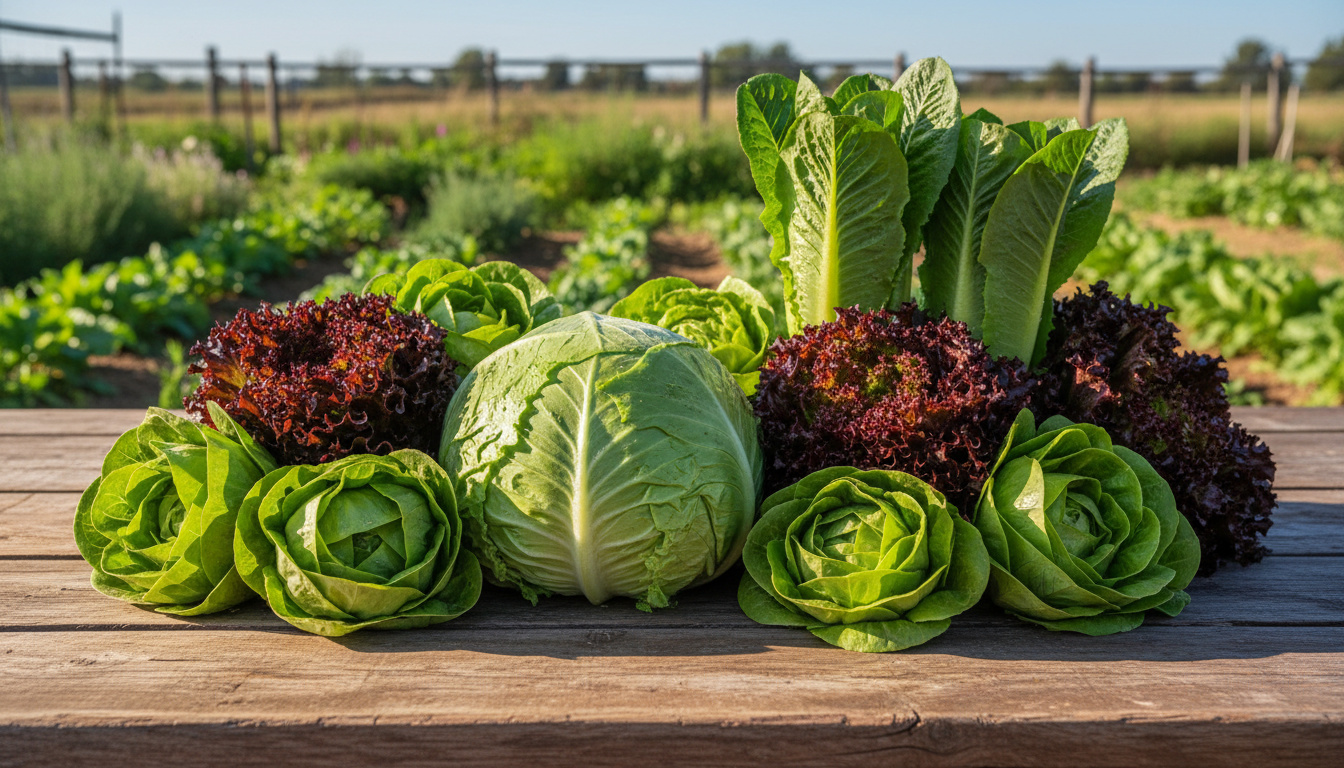
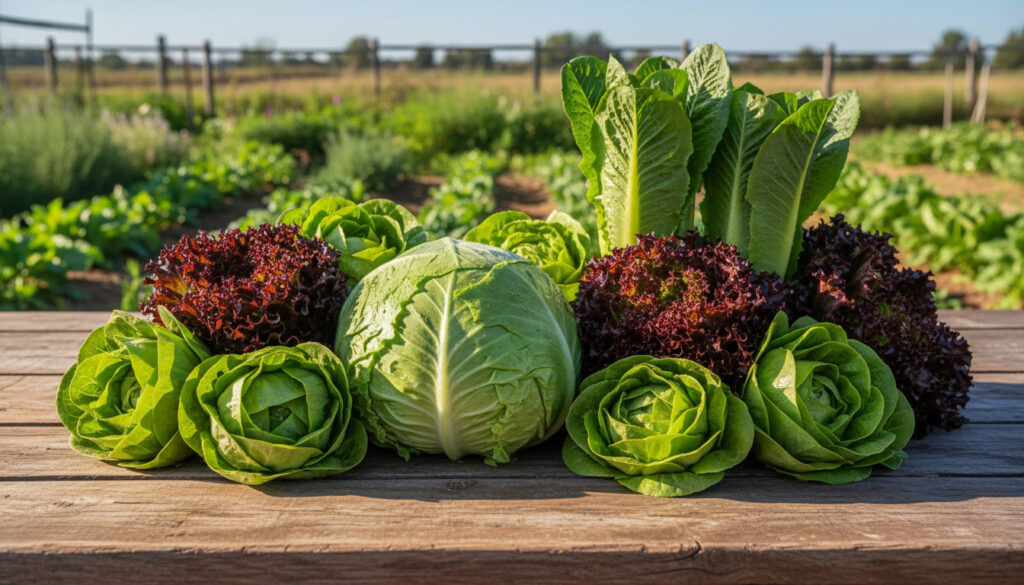
Lettuce dominates produce aisles and backyard gardens with a diversity that belies its simple reputation. From the dense, pale heads of iceberg to the bronzed, upright leaves of romaine, Lactuca sativa presents a botanical spectrum that influences nutrition, culinary application, and agricultural sustainability. Understanding these distinctions allows cooks and growers to select varieties that match specific nutritional goals and textural preferences.
Botanists classify cultivated lettuce into four primary categories defined by head formation and leaf structure. These classifications—looseleaf, romaine, butterhead, and crisphead—encompass hundreds of cultivars developed over millennia of selective breeding. Additional subtypes like Batavian or summercrisp blur these lines, offering hybrid characteristics that challenge traditional categorization while expanding options for seasonal growing.
What Are the Different Types of Lettuce?
The four foundational types of lettuce differ primarily in how they grow and form heads. Crisphead varieties, commonly called iceberg, produce dense, firm heads with pale, crunchy leaves. Romaine, also known as cos, grows as upright, elongated heads with stiff ribs and substantial leaves. Butterhead types including Boston and Bibb form soft, loose heads with tender, rounded leaves. Looseleaf varieties grow as open rosettes without any head formation, allowing for repeated harvesting.
Crisphead (Iceberg)
Dense, firm heads with pale, crunchy texture and mild flavor.
Romaine (Cos)
Upright, elongated heads with stiff ribs and sturdy leaves.
Butterhead
Soft, loose heads featuring tender, buttery leaves and sweet taste.
Looseleaf
Open rosettes without head formation, available in varied colors.
- Romaine delivers ten times the beta-carotene content of iceberg lettuce.
- Looseleaf varieties mature fastest and allow multiple harvests through cut-and-come-again methods.
- Crisphead forms the densest heads, requiring the longest growing period before harvest.
- Red leaf varieties like Ruby Red provide high concentrations of anthocyanin antioxidants.
- Batavian types combine the heat tolerance of leaf lettuce with the crisp texture of head varieties.
- Heirloom varieties such as Black Seeded Simpson and Rouge d’Hiver date to the 19th century.
- Organic production emphasizes sustainable cut-and-come-again harvesting for leaf types.
| Type | Texture | Flavor | Best Use | Calories (per cup) |
|---|---|---|---|---|
| Romaine | Crisp ribs, sturdy | Slightly bitter, nutty | Caesar salads, grilling | 6 |
| Iceberg (Crisphead) | Firm, crunchy | Mild, watery | Sandwiches, slaws | Low |
| Butterhead (Bibb) | Soft, buttery | Mild, sweet | Delicate salads, cups | 4.5 |
| Red Leaf | Crispy, tender | Earthy | Colorful salads | 11 |
| Green Leaf | Tender, mild | Mild | General salads | 5–10 |
| Summercrisp (Batavian) | Thick, crisp outer | Nutty, juicy | Heat-season salads | ~10 |
| Looseleaf (General) | Crinkly, tender | Sweet, pleasant | Cut-and-come-again | Varies |
| Super Red (Romaine) | Crisp, sturdy | Bold | Antioxidant-rich salads | ~6 |
How Do Lettuce Types Differ in Texture and Flavor?
Crispness and Structural Integrity
Iceberg lettuce provides the firmest, snappiest texture, making it ideal for applications requiring structural integrity. Romaine follows closely, offering sturdy ribs that withstand grilling and heavy dressings without wilting. Summercrisp or Batavian varieties deliver thick, juicy outer leaves that provide substantial bite, while butterhead types offer minimal resistance, melting into soft layers.
Flavor Profiles From Sweet to Bitter
Butterhead and specific looseleaf varieties like Black Seeded Simpson present mild, sweet flavors without bitterness, appealing to palates seeking subtle greens. Romaine carries a slightly bitter, nutty character that complements savory dressings. Red leaf varieties including Lollo Rossa contribute earthy undertones, while summercrisp types offer distinctive nuttiness rarely found in other categories.
For maximum crunch in sandwiches, select crisphead or romaine varieties with thick midribs. Butterhead varieties provide a softer bite that complements delicate fillings without dominating the palate, while looseleaf blends add textural complexity through varied leaf structures.
What Type of Lettuce Is Best for Salads and Sandwiches?
Building Complex Salads
Any lettuce variety technically suits salad preparation, yet specific combinations optimize results. Batavian and summercrisp varieties excel in summer salads, maintaining texture despite heat exposure. Looseleaf mixes provide visual diversity through color variation—ruby reds, deep purples, and lime greens—while contributing varied nutrient profiles within a single bowl.
Sandwich and Wrap Applications
Crisphead and romaine varieties produce the largest, most intact leaves suitable for low-carbohydrate wraps and sturdy sandwich layers. Their structural rigidity prevents tearing when rolled around fillings, unlike delicate butterhead varieties that fracture under pressure. For juicing and smoothies, Bibb and Cimmaron varieties blend smoothly without fibrous residue.
What Is the Healthiest Type of Lettuce?
Romaine ranks as the most nutrient-dense common variety, delivering superior levels of vitamins K, C, and folate alongside significant calcium and fiber. A single cup provides merely six calories while supplying ten times the beta-carotene of iceberg lettuce. Red leaf varieties follow closely, offering 127 percent of the daily value for vitamin A and 149 percent for vitamin K per cup.
Butterhead varieties including Bibb provide vitamins A, K, and C alongside iron and manganese at only 4.5 calories per cup. Green leaf types contribute essential minerals including calcium, phosphorus, and potassium, while summercrisp varieties offer moderate vitamin content with enhanced heat tolerance.
Red and purple lettuce varieties contain anthocyanins not found in pale green types. These pigments provide antioxidant properties that neutralize free radicals beyond basic vitamin content, making varieties like Ruby Red and Super Red nutritionally distinct from their green counterparts.
Iceberg lettuce, while lowest in overall nutrient density, provides hydration and crunch with minimal caloric impact. Looseleaf varieties allow for continuous harvesting, ensuring peak freshness and maximum vitamin retention when consumed immediately after cutting.
How Has Lettuce Cultivation Evolved Over Time?
-
Domestication begins in Egypt from wild Mediterranean and Asian species; cos/romaine varieties named after Cos island in the Aegean Sea.
-
Development of heirloom varieties including Black Seeded Simpson and Rouge d’Hiver, selected for flavor adaptation and cold tolerance.
-
Iceberg (crisphead) varieties developed in the United States specifically for shipping durability and long-distance transport.
-
Commercial breeding programs emphasize uniformity and disease resistance, establishing the modern grocery store standards.
-
Introduction of Batavian/summercrisp hybrids combining characteristics of crisphead and leaf varieties for extended growing seasons.
-
Modern breeding focuses specifically on heat and bolt resistance, enabling cultivation in non-traditional climates and seasons.
-
Emphasis on organic heirlooms and sustainable cut-and-come-again methods, with seed charts tracking hundreds of distinct cultivars.
What Is Definitively Known About Lettuce Classifications?
| Established Facts | Information That Remains Unclear |
|---|---|
| Four primary botanical types: looseleaf, romaine, butterhead, and crisphead | Exact number of existing cultivars and hybrids continues expanding without universal registry |
| Origins trace to Mediterranean/Asian wild species domesticated in Egypt ~2700 BCE | Precise nutrient variations based on specific soil conditions and microclimates require further study |
| Clear nutritional hierarchy with romaine and red leaf ranking highest in vitamin density | Long-term storage impacts on vitamin retention vary significantly by type and temperature |
| Distinct structural differences between head-forming and leaf types affect harvest methods | Standardized organic classification criteria remain inconsistent across international regulatory bodies |
| Heirloom varieties like Black Seeded Simpson documented from 19th century breeding | Emerging hybrid varieties challenge traditional classification boundaries |
Why Does Lettuce Diversity Matter for Modern Agriculture?
The diversification of lettuce varieties addresses contemporary challenges in food security and nutritional accessibility. Unlike monoculture crops vulnerable to single-pathogen devastation, the broad genetic base spanning heirloom and modern hybrids provides resilience against climate variability and pest pressure. This botanical insurance policy ensures consistent supply even when specific cultivars fail due to weather extremes.
Commercial production increasingly favors looseleaf and Batavian types for their extended harvest windows and adaptability to hydroponic systems. These methods reduce water consumption compared to traditional field cultivation of crisphead varieties, aligning with sustainability mandates. The financial markets that support agricultural innovation, including commodity trading platforms like the Australian Stock Market – Trading Hours and ASX Guide, indirectly influence research funding for crop development through agricultural sector investments.
Consumer demand for year-round availability drives breeding programs focused on bolt resistance and heat tolerance, characteristics essential for expanding lettuce production into non-traditional growing regions.
What Do Leading Agricultural Sources Say About Lettuce?
Looseleaf lettuce types like Black Seeded Simpson offer crinkly, sweet leaves and heat tolerance, while romaine varieties such as Super Red provide deep red coloration with antioxidant-rich properties.
— MiGardener
Romaine ranks as the healthiest overall, with highest levels of vitamins, minerals, and fiber, delivering ten times the beta-carotene of iceberg lettuce.
— Dr. David Friedman
Cut-and-come-again harvesting of looseleaf varieties reduces waste and extends productivity, allowing multiple harvests from a single planting by cutting one to two inches above ground level.
— Seeds ‘n Such
Which Lettuce Variety Fits Your Needs?
Selecting the appropriate lettuce type requires balancing nutritional priorities against culinary applications. Romaine offers the strongest vitamin profile for health-conscious consumers, while crisphead provides unmatched structural integrity for handheld meals. Home gardeners seeking sustainability should consider looseleaf heirlooms for their regenerative harvesting potential. For additional regulatory information regarding agricultural business operations, consult the Australian Taxation Office – Services and Contact Guide.
Frequently Asked Questions
Is romaine lettuce crunchy?
Yes. Romaine features sturdy, upright ribs that deliver substantial crunch, though slightly less dense than crisphead iceberg. Its structural integrity holds up well to grilling and heavy dressings.
How many types of lettuce are there?
Botanists recognize four primary types: looseleaf, romaine, butterhead, and crisphead. However, hundreds of distinct cultivars and hybrids like Batavian exist within these categories, with new varieties developed continuously.
What are loose leaf lettuce varieties?
Popular looseleaf varieties include Black Seeded Simpson, Ruby Red, Lolla Rossa, Tango, and Grand Rapids. These non-heading types grow as open rosettes, allowing multiple harvests through cut-and-come-again methods.
Best lettuce for wraps?
Crisphead and romaine provide large, sturdy leaves ideal for low-carb wraps. Their structural rigidity prevents tearing when rolled around fillings, unlike delicate butterhead varieties.
Types of green lettuce?
Green lettuce types include romaine (Paris Island), butterhead (Bibb), looseleaf (Black Seeded Simpson, Grand Rapids), and crisphead (Iceberg). Summercrisp varieties also offer green options with heat tolerance.
Red lettuce varieties?
Notable red varieties include Super Red romaine, Ruby Red looseleaf, Lolla Rossa, New Red Fire, and Cimmaron. These contain anthocyanins, providing antioxidant benefits and visual contrast in salads.
Organic lettuce types?
Organic production focuses on heirlooms like Black Seeded Simpson, Tom Thumb, and Rouge d’Hiver. These open-pollinated varieties adapt well to sustainable cut-and-come-again cultivation without synthetic inputs.
Related stories





Thomas Webb leads fact-checking, source verification and corrections at Southern Monitor.