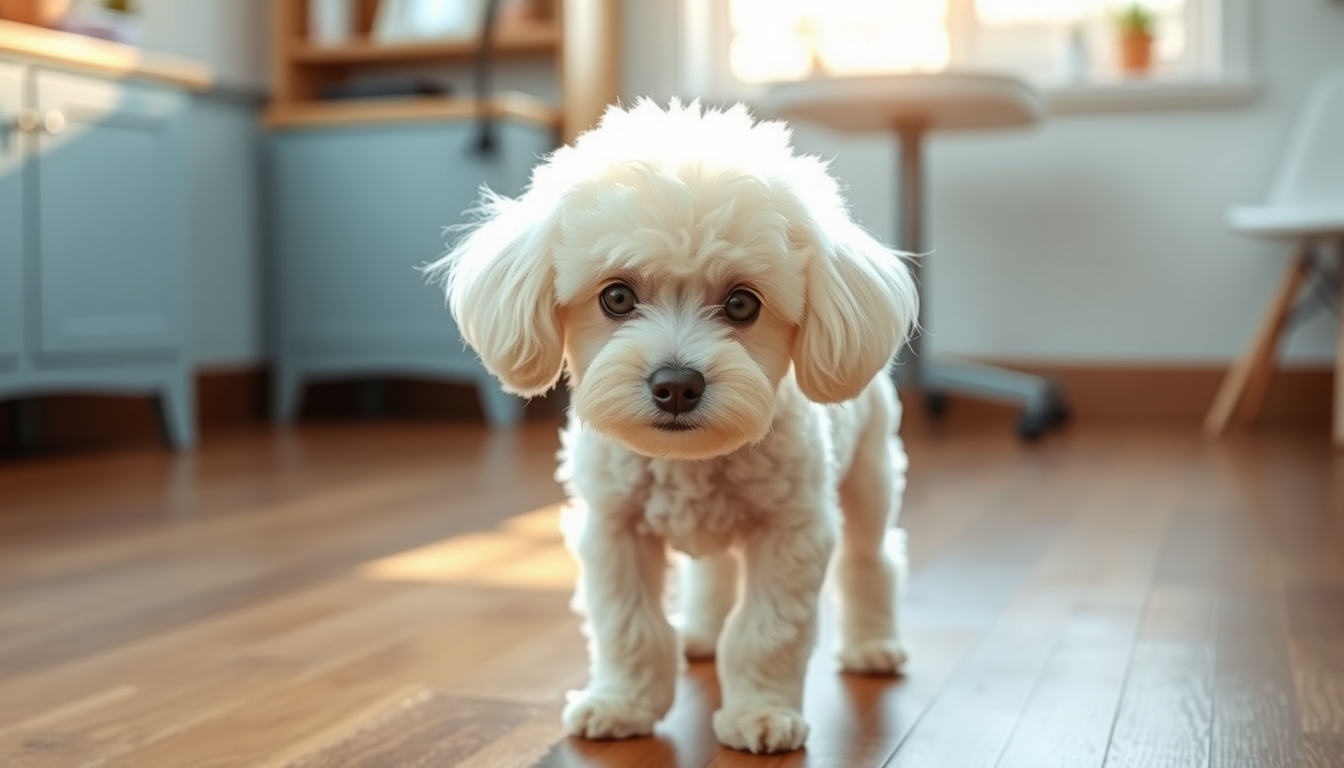
Choosing between a Miniature and a Toy Poodle can feel like picking between two bundles of intelligence wrapped in curls—except one decides to stay a bit smaller. You are likely here because you’ve narrowed down the search to Poodles but keep getting stuck on that size question, which is exactly where most future owners hesitate.
Miniature Poodle at a glance: Height 10–15 in (AKC standard) · Weight 10–15 lb · Lifespan 12–15 years · Minimal shedding · Temperament: alert, people-focused, playful · Exercise: 30–60 min daily
| Attribute | Miniature Poodle | Toy Poodle |
|---|---|---|
| Height | 10–15 inches (AKC standard) | Under 10 inches (AKC standard) |
| Weight | Typically 10–15 pounds | Typically 4–6 pounds (up to 8, but often less) |
| Energy Level | Moderate to high; requires daily exercise | Moderate; lower exercise needs but still playful |
| Temperament | Affectionate, loyal, alert, often more robust | Affectionate, sensitive, often more prone to anxiety |
| Trainability | Highly trainable, eager to please | Highly trainable but can be stubborn with harsh methods |
| Grooming Needs | Professional grooming every 4–6 weeks | Professional grooming every 4–6 weeks (often more frequent for matting) |
| Common Colors | Apricot, black, blue, cream, red, white, etc. | Same variety as Miniature (genetic color range is broad) |
The Miniature Poodle is recognized by the American Kennel Club and stands 10 to 15 inches at the shoulder, making it the more substantial dog of the two. The Toy Poodle, which comes in under 10 inches, is a true pocket-sized companion, but that smaller stature brings its own considerations—like a higher risk of fragile bones and a greater tendency toward separation anxiety. Both are undeniably clever, but the Miniature often gets described as more robust and slightly more playful, while the Toy is often more of a lap dog with a delicate disposition.
How the Miniature Poodle Compares to the Toy Poodle
When the Kennel Club and breed guides talk about trainability, they consistently rank Poodles among the smartest dogs—and that includes both Miniature and Toy varieties. However, the Miniature’s larger size doesn’t just affect its physical footprint; it affects its exercise needs and overall sturdiness. A Miniature Poodle can handle a long walk or a day at the park without tiring, while a Toy Poodle might be satisfied with a few short play sessions. This isn’t about one being better than the other—it’s about matching the dog to your lifestyle. If you’re a runner or hiker, the Miniature is the more logical fit; if you live in a small apartment and work from home, the Toy might be your constant shadow.
Bottom line: Miniature Poodles are more robust and better for active owners, while Toy Poodles are smaller, more sensitive, and better for calmer households.
Key Facts to Know Before You Choose
Confirmed facts
- Miniature Poodles are 10 to 15 inches at the shoulder (AKC standard) – NAHF guide.
- Toy Poodles stand under 10 inches—about the size of a large house cat – AKC.
- Professional grooming every 4 to 6 weeks is recommended for coat maintenance – Chewy education guide.
- Daily brushing at home is nearly mandatory to prevent mats, especially for Toys with their fine hair – Chewy.
- Both sizes share a Poodle’s genetic predisposition to conditions like hip dysplasia and eye issues – NAHF.
- Toy Poodles, given their smaller bones, are more prone to patellar luxation and dental disease – Dogster Toy Poodle page.
The breed standard, as outlined by the NAHF guide on AKC Miniature Poodle ownership, emphasizes the Miniature’s suitability for a wide range of living situations precisely because it’s bigger than a Toy but not as large as a Standard. This size balance often makes it a safer bet for families with older children, who might accidentally hurt a Toy with rough play. On the other hand, the Toy Poodle’s tiny size makes it a portable companion for singles or seniors—but that convenience comes with the responsibility of protecting it from falls, stairs, and clumsy feet.
Exercise and Grooming: The Real Care Burden
The phrase “low-shedding” often gets thrown around as if it means low-maintenance, but that’s a myth. Poodles are single-coated dogs, meaning they don’t shed year-round like a Retriever; instead, their hair grows continuously and mats easily if not brushed daily. This is where both Miniature and Toy Poodles demand a serious time commitment. A guide from Chewy’s education guide on Miniature Poodles notes that grooming every 4 to 6 weeks is the sweet spot to keep their coats healthy and manageable, and that’s not optional—it’s a core part of ownership.
For exercise, the Miniature Poodle is a sponge for activity. It needs a daily walk and play session to burn off energy; otherwise, it might resort to destructive chewing or excessive barking, which is its way of saying it’s bored. The Toy Poodle, while still energetic, is more adaptable to a sedentary day—but that doesn’t mean it should skip exercise entirely, as a bored Toy can develop compulsive behaviors like licking or spinning. Nail trimming every 3 to 4 weeks is also part of the care routine for both sizes, as noted by Chewy and Dogster’s Miniature Poodle breed page. If this sounds like a part-time job, that’s because it is—you’re trading coat maintenance for non-shedding, and for many owners, that trade is worth it.
You either invest in professional grooming every 4–6 weeks or commit to daily brushing at home—there’s no middle ground for a Poodle’s coat.
The implication: grooming costs and time are non-negotiable, and owners must budget both money and hours.
Behavior and Temperament: What to Expect
If you’re looking for a dog that’s easy to train, you’ve found your match. Poodles, both Miniature and Toy, are famously bright and eager to please, which makes them star pupils in obedience and agility. The NAHF article on Miniature Poodles highlights that they are often described as more robust and stable than their smaller counterparts, and they tend to be more comfortable around unpredictable kids or busy environments. That doesn’t mean the Toy Poodle isn’t smart—it absolutely is—but it can be more sensitive to correction, so a gentle, consistent training style is non-negotiable.
One area where the two diverge starkly is in their relationship with being left alone. Miniature Poodles are known to be adaptable but still bond strongly with their families; they’re not the best choice for someone who’s away 10 hours a day. The Toy Poodle, however, takes this to another level; many Toy owners report that their dogs are prone to separation anxiety, and a guide from Chewy mentions that while Miniatures can vocalize, Toys are more likely to develop possessiveness or anxiety if not properly socialized. It’s not a deal-breaker, but it means you should plan for a pet sitter or doggy daycare if you work long days.
“The Miniature Poodle is the more adventurous of the two, often described as playful and lively, while the Toy Poodle is content to be wherever you are—even if that’s on the couch for most of the afternoon.”
— Dogster Miniature Poodle breed page
“Toy Poodles are not just small dogs; they’re big personalities that demand attention. They are very attached to their owners and do poorly when left out of the action for long periods.”
— Chewy education guide on dog breeds
The gap in “sturdiness” is a deal-breaker for some. A Toy Poodle is more fragile by default; a fall off the couch can break a leg in a way that’s unlikely for a Miniature. If you’ve never owned a small dog before, a Miniature is often a safer choice for your first time, as it’s more forgiving of the occasional awkward step. On the flip side, the Toy Poodle’s small size means it can join you on more errands and is easier to take on planes for travel.
Which One Fits Your Lifestyle?
Here’s the honest question: how much energy do you actually have, and how much alone time does your dog get? If you’re active and have a moderately busy household, the Miniature Poodle is a better match—they’re more resilient, easier to train, and can keep up with a hike. If you’re a homebody, a senior, or someone living in a small apartment without a yard, the Toy Poodle’s lower exercise needs and lap-dog nature are a blessing. Both breeds are equally brilliant and loyal, but they require an owner who takes grooming seriously.
The choice ultimately comes down to size and temperament trade-offs: the Miniature Poodle offers a little more durability and energy, while the Toy Poodle offers an ultra-portable, affectionate companion that thrives in a quiet environment. A good breeder should help you identify which size aligns with your expectations—don’t let them just pick a random puppy from a litter based on color or gender.
dogs-portal.com, puppypedia.org, doggytalks.com, thepoodleguide.com, pawportal.com, lemonade.com, puppilot.co, happypetzone.com, royalkennelclub.com
Frequently asked questions
Do Miniature Poodles get along with other pets?
Yes, Miniature Poodles generally get along well with other pets, especially if they’re raised together. Their high trainability and social nature help them adapt to living with other dogs or even cats, though early socialization is key to reduce any tendency to herd or chase.
How much exercise does a Miniature Poodle really need?
A Miniature Poodle needs about 30 to 45 minutes of moderate exercise daily—this can be a walk plus a play session. They’re not as demanding as a Border Collie, but they do need a daily outlet to prevent boredom and excessive barking.
Are Miniature Poodles good for first-time dog owners?
Yes, they make a decent choice for first-time owners due to their intelligence, trainability, and moderate energy level. The main caveat is the grooming responsibility and their need for consistent, positive training to prevent small-dog syndrome.
What is the average lifespan of a Miniature Poodle?
Miniature Poodles typically live between 12 and 15 years, with proper care. That puts them on par with many small breeds, and smaller dogs often outlive larger ones due to their slower aging rate.
Do Miniature Poodles bark a lot?
They can be vocal—they were bred to be alert watchdogs. However, with early training and enough mental stimulation, they learn when to bark and when to be quiet. Excessive barking usually means boredom or fear.
What is the price difference between Miniature and Toy Poodles?
Prices vary widely based on breeder reputation and lineage, but Toy Poodles are often slightly pricier due to their smaller size in high demand. Expect to pay anywhere from $1,500 to $3,000 or more for a healthy puppy from a responsible breeder for either size.
How often should a Miniature Poodle be groomed?
Professional grooming every 4 to 6 weeks is recommended. Between grooms, brush your Miniature Poodle several times a week to prevent mats, and check their ears and nails weekly.
Related reading: 100+ Trivia Questions With Answers for Any Occasion (2025) · How to Solve Crosswords
Related stories





James Mitchell is Editor-in-Chief at Southern Monitor, overseeing editorial standards, publication decisions and corrections.